
Cloud · On-premises · Edge
AI infrastructure
for the real world.
AIMPLE brings runtime, orchestration, and compute together so teams can deploy inference, training, media generation, and real-time AI where their data and devices are.
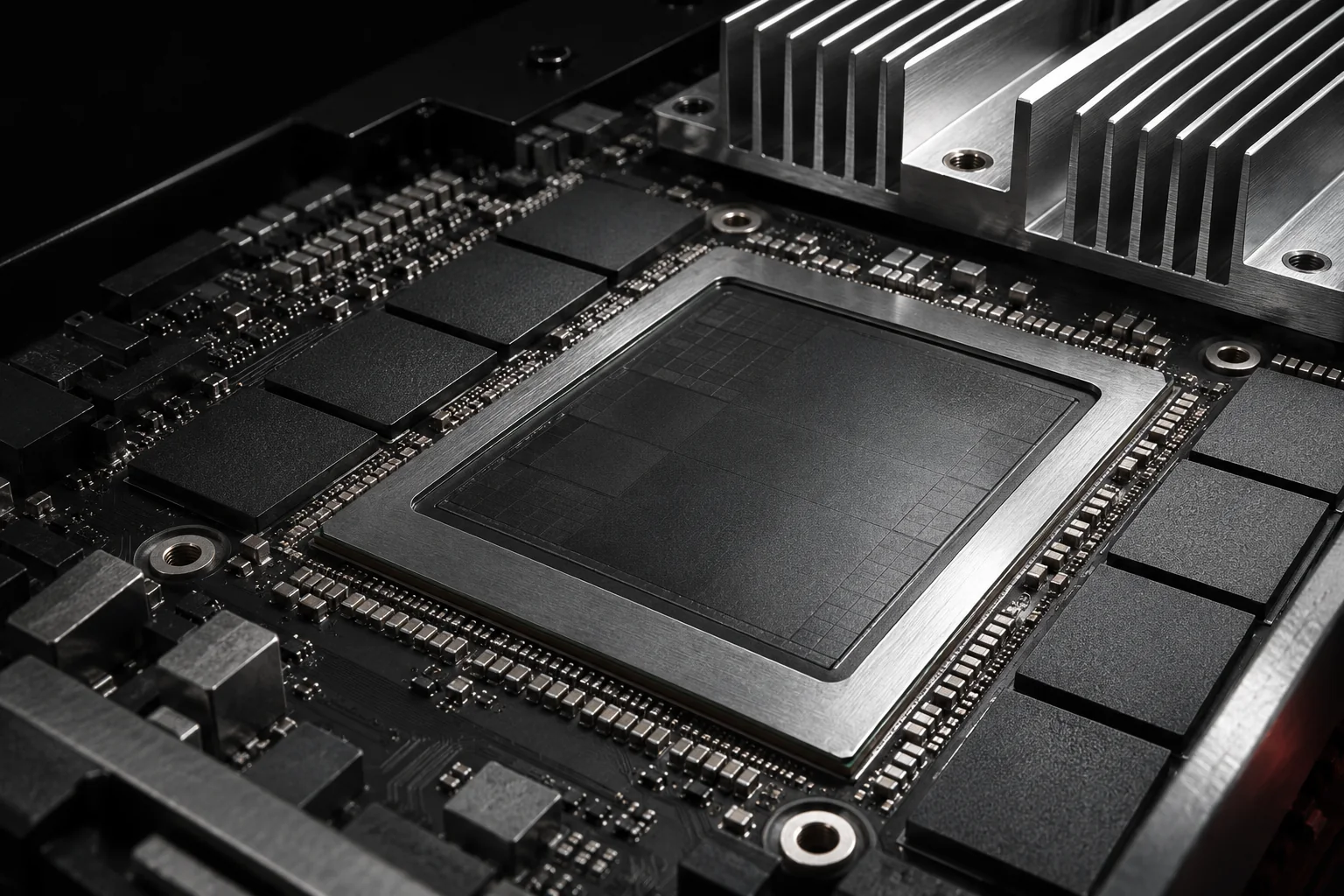
Architecture
From application
to infrastructure.
AIMPLE sits between AI workloads and the environments that run them. The platform coordinates execution, compute, data, and access across those environments.
Applications
Agents, media, digital humans, and vision
AI workloads
Inference, generation, training, and streaming
AIMPLE Runtime
Orchestration, scheduling, memory, and access controls
Infrastructure
GPU and CPU capacity, storage, and networks
Edge & physical sites
Devices, sensors, and on-site interactions
AIMPLE platform modules
Module availability and integration scope are confirmed for each deployment.
- AIMPLE Infra
- Enterprise AI infrastructure for private and hybrid environments.
- AIMPLE Runtime
- Execution, scheduling, and orchestration for AI workloads.
- AIMPLE Agent
- Agent execution within enterprise workflows.
- AIMPLE Edge
- A runtime for AI near devices and physical sites.
- AIMPLE Studio
- Generative AI tools for media production and creators.
- AIMPLE Human
- Digital humans, AI characters, and interactive experiences.
AIMPLE Runtime
Give each workload
the right compute.
Inference, media generation, training, and streaming place different demands on compute. Plan execution around latency, memory, available capacity, and proximity to devices.
| Workload | Constraint | Placement decision |
|---|---|---|
| Interactive inferenceInference | Latency-sensitive | Reserve capacity |
| Media renderingGeneration | Throughput | Assign to a GPU pool |
| Model fine-tuningTraining | Flexible start time | Queue for capacity |
| Live video processingStreaming | Real-time delivery | Process near the venue |
AIMPLE Infra & Edge
Run AI where
your data lives.
Put latency, data boundaries, and capacity at the center of your deployment plan.
Keep model execution within your access boundary.
Run inference for internal applications and define which users and services can reach your models and data.
- Compute
- Private compute
- Data boundary
- Within the agreed access boundary
- Typical workload
- Internal inference
Build around the hardware you already operate.
Deploy the runtime on customer-managed GPUs, storage, and networks under your existing operating policies.
- Compute
- Customer-managed hardware
- Data boundary
- Your data center
- Typical workload
- Inference, training, and generation
Connect private infrastructure with cloud capacity.
Decide which workloads can run in the cloud based on data movement rules, available capacity, and operating responsibility.
- Compute
- Private infrastructure and cloud GPUs
- Data boundary
- Based on workload policy
- Typical workload
- Compute-intensive jobs with variable demand
Place time-sensitive inference near the device.
Process inputs from cameras or sensors locally and define how the site exchanges data with remote systems.
- Compute
- On-site edge nodes
- Data boundary
- At the point of capture
- Typical workload
- Vision and interactive systems
Size the environment for one site or team.
Choose the compute, storage, and access policy for a focused workload, then validate it in the site's operating environment.
- Compute
- Dedicated local compute
- Data boundary
- Within the site or team's access boundary
- Typical workload
- A site-specific model or internal workflow
Physical AI
Run the model
closer to the action.
In a venue or interactive space, sensor input and response time shape the experience. Plan which processing happens near the device and which runs on shared infrastructure.
- AI model
- AIMPLE Runtime
- Edge devices
- On-site interaction
Solutions
Start with the
operating environment.
The workload, data rules, latency targets, and equipment at each site determine how an AI system should run.
Enterprise AI
Deploy private inference and agent workflows with data access and human review defined up front.
Physical AI & smart spaces
Connect sensors and applications through edge compute for responsive venues and installations.
Media & entertainment
Plan compute for music and video generation, digital humans, and live delivery.
Education
Bring creative AI and interactive learning into classrooms, labs, and training spaces.
Public sector
Define where AI runs, who can access its data, and who operates it for public services.
Emotionwave projects
Digital humans, live
stages, and games.
These published projects show the digital-human, live-performance, and interactive workloads that informed Emotionwave’s infrastructure work.

Digital humans · 2024
AIMPLE 2.5 at MWM
Emotionwave presented its work on AI and virtual artists at the Moving the World with Music conference.
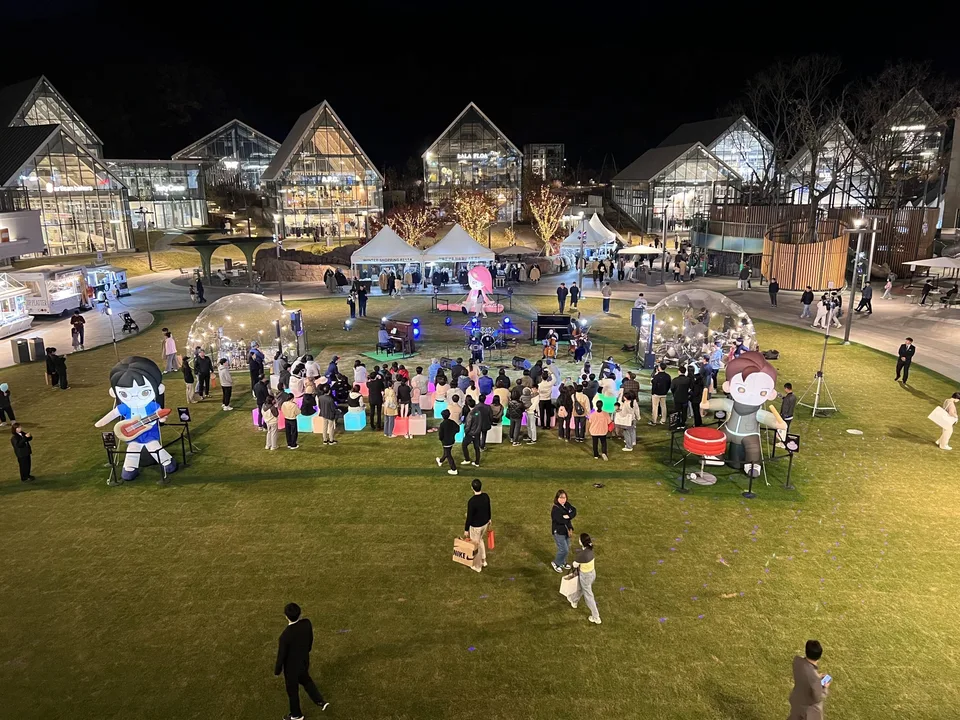
Physical AI · 2024
Washington–Uiwang 5G concert
RIMA connected performers in two cities for a remote ensemble performance over low-latency 5G.
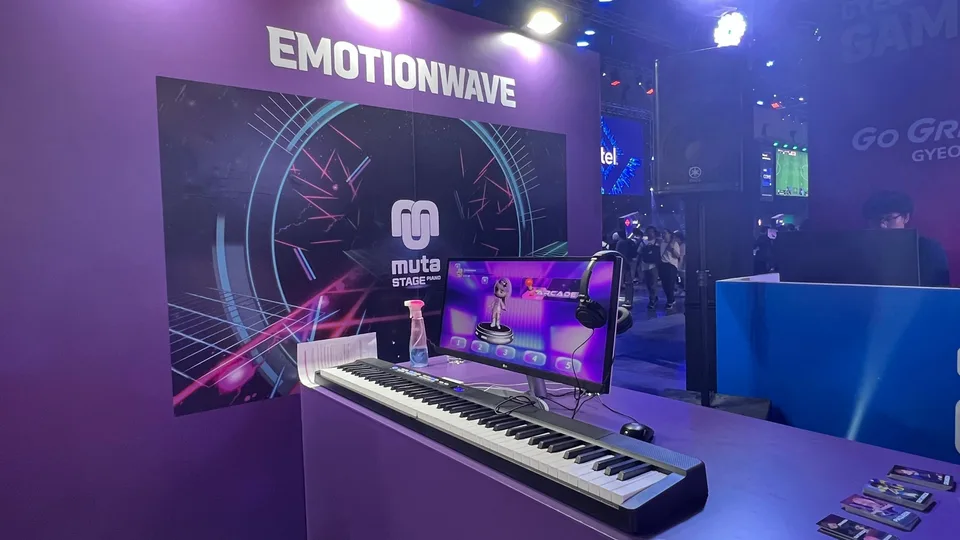
Interactive entertainment · 2024
Band Master launch at GXG
MUTA launched its AI music rhythm and action game at GXG 2024.
Since 2013
Built from real AI workloads.
Emotionwave has built applications for media, entertainment, education, and interactive spaces since 2013. Running those applications exposed problems in compute allocation, orchestration, and data management. That operating experience shaped AIMPLE.
About EmotionwaveImplementation
From requirements
to production.
Test representative workloads on your target infrastructure, then agree on how to operate and support the deployment.
Define requirements
Set data boundaries, latency targets, capacity, and ownership.
Design the deployment
Specify the runtime, compute, and integrations.
Validate in context
Test representative workloads against your acceptance criteria.
Plan operations
Agree on monitoring, change management, and support.